Most common types of rental equipment include tables, chairs, tents, linens, party supplies, furniture, and audio-visual gear. Choosing the right mix can help a rental business attract more customers, increase repeat bookings, and earn more from its existing inventory. The goal is not to fill your warehouse with every product available. Instead, focus on equipment that customers need, items that work well together, and products that can generate revenue throughout the year. Rentopian helps rental businesses manage inventory, bookings, customers, payments, and daily operations from one platform.
What Makes Rental Equipment Profitable?
Not every popular product is a profitable rental product. Before purchasing equipment, consider how often customers are likely to rent it and how much it will cost to keep it ready.
A good rental product usually has more than one use. A folding chair, for example, can be used for weddings, birthday parties, corporate events, school functions, and community gatherings. That gives the same item several opportunities to earn money.
You also need to look beyond the purchase price. Storage, cleaning, repairs, delivery, labor, and replacement costs all affect profitability.
Before adding a product, consider:
- Is there steady customer demand?
- Can it be rented for different types of events?
- Can it be combined with other products?
- Is it easy to store and maintain?
- How quickly can it recover its purchase cost?
These questions can help you build an inventory based on real business value instead of assumptions.
Most Common Types of Rental Equipment for Event Businesses
The most common types of rental equipment depend on the customers you serve and the events popular in your area. However, most event rental businesses need a core selection of products that can be used for weddings, parties, corporate events, festivals, and private gatherings.
You do not need to offer everything from day one. Start with products that solve common customer needs, then expand as booking data shows where demand exists.
Tables and Chairs
Tables and chairs are often among the first products purchased by an event rental company. They can be used for weddings, dinners, conferences, birthdays, fundraisers, and outdoor events.
Different customers may want different styles. Folding chairs can work well for large gatherings, while specialty chairs can appeal to customers planning weddings or more formal events.
Tables also come in many shapes and sizes. Round tables, banquet tables, cocktail tables, and specialty tables give customers more choices without requiring an entirely different business model.
The main advantage is versatility. These products can support many different bookings, which can help keep them in use throughout the year.
Party and Event Supplies
Party supplies can help rental companies increase the value of their main orders. Customers who rent tables or chairs may also need décor, serving items, backdrops, dance floors, lighting, or other accessories.
A well-planned party rental inventory should focus on products that complement your core equipment. For example, if customers regularly ask for matching décor or serving products, those requests can guide future purchases.
You do not need dozens of unrelated products. Instead, build around the items customers already ask for. This makes it easier to create packages and gives customers more reasons to complete their event order with your company.
Tents and Outdoor Equipment
Outdoor events create another strong opportunity for rental businesses. Weddings, festivals, company gatherings, graduation parties, and private celebrations may all require temporary shelter.
Tent rental equipment can include tents, sidewalls, flooring, weights, lighting, and other supporting items.
Tents require more planning than smaller products. You need enough storage space, suitable transportation, trained staff, and a reliable inspection process. Weather is another concern, so every tent and related component should be checked before it goes to a customer.
Because tents can also be paired with tables, chairs, lighting, and linens, they can become an important part of larger event packages.
Furniture Rental Can Create New Revenue
Furniture can be a useful addition for companies serving events, businesses, photographers, designers, and temporary spaces. Sofas, lounge chairs, ottomans, cocktail tables, and other pieces can completely change the look of an event.
A Furniture Rental Business can also create packages around specific styles. A modern lounge package, for example, could combine sofas, chairs, tables, and accessories.
Storage is the main challenge. Furniture takes more space than smaller rental products, so warehouse capacity should be considered before making a large investment.
Durability matters as well. Rental furniture is moved often and may be used by many different customers. Choosing strong products can reduce repairs and replacement costs over time.
Audio-Visual Equipment for Higher-Value Orders
Technology plays an important role in many modern events. Conferences, weddings, concerts, business meetings, product launches, and presentations may all require sound and display equipment.
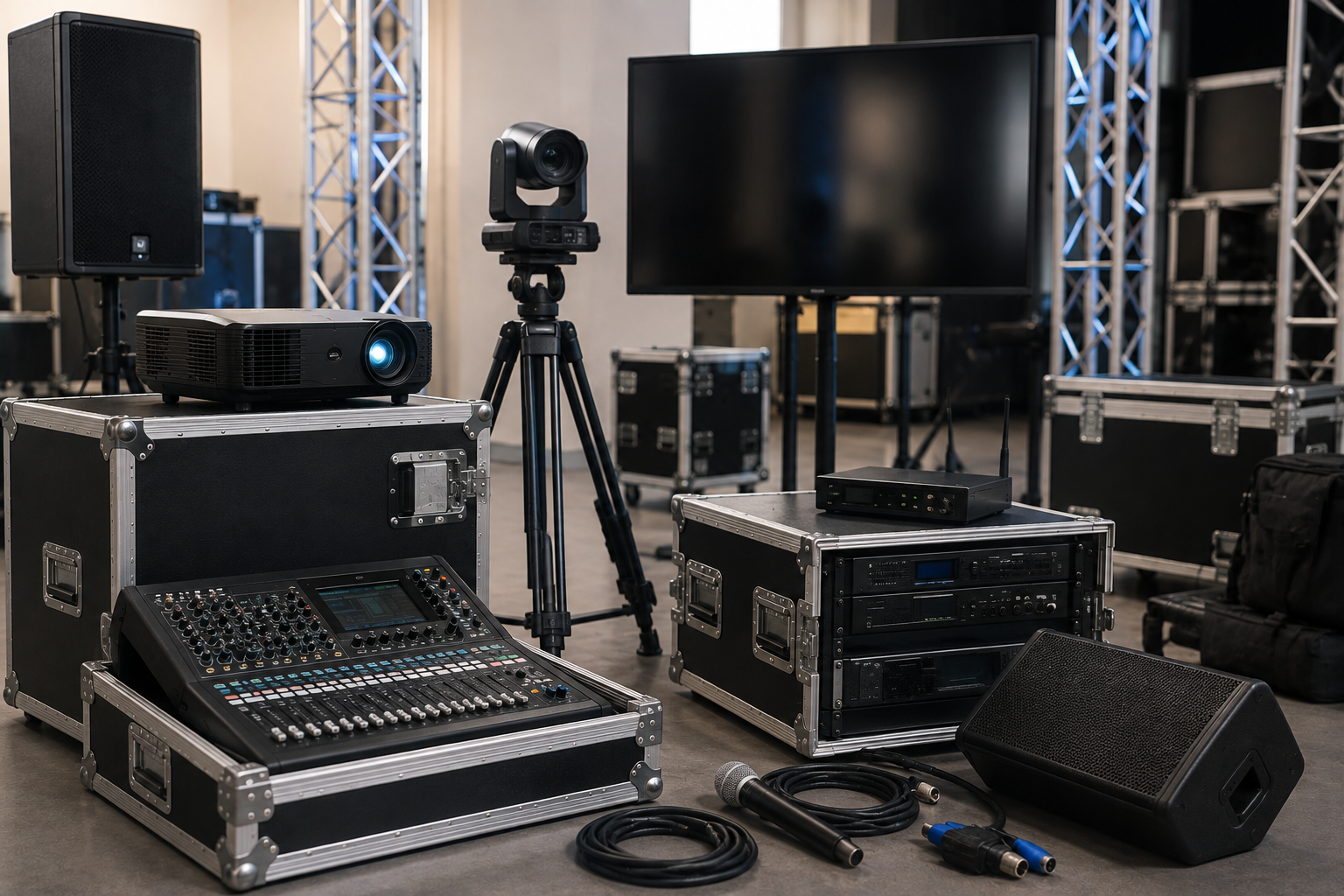
AV rental equipment can include speakers, microphones, projectors, screens, cameras, lighting, mixers, and related accessories.
One advantage of this category is that customers often need several products at once. Someone renting a projector may also need a screen, speakers, microphones, and cables.
However, AV equipment needs careful handling. A missing cable or damaged component can affect an entire event. Every item should be checked before it leaves your facility and again when it returns.
Linens and Smaller Rental Products
Small rental products can play a bigger role in revenue than their size suggests. Tablecloths, napkins, runners, and chair covers are often rented in large quantities for events.
These items can also help you build complete packages. A customer renting tables may also want matching linens, making it easy to add more products to the same booking.
As your selection grows, tracking different colors, sizes, styles, and quantities can become difficult. linen inventory management software can make it easier to keep records organized.
Do not track quantity alone. You should also know whether an item is clean, damaged, currently rented, or ready for its next booking.
How to Build a Rental Inventory That Makes Money
Building inventory should be a gradual process. Buying too much equipment at once can tie up your cash before you know what customers actually want.
Start by studying your market. Review customer requests, competitor offerings, seasonal events, and your existing bookings. These details can help you identify products with real demand.
Then look for connections between products. If customers frequently rent chairs and tables together, having enough of both can increase booking opportunities. If tent customers regularly ask for lighting, that could be another useful addition.
A strong inventory plan balances demand, profitability, and operational effort.
An item that rents often but needs constant repairs may not be as valuable as a slightly less popular product that is easy to maintain, store, and transport.
Use Inventory Data to Find Your Best Products
Once you have equipment, you need to know which products are actually earning money. Sales numbers alone do not tell the complete story.
Look at rental frequency, revenue, downtime, and maintenance costs. A product that rents every weekend should be treated differently from one that spends most of the year in storage.
Inventory tracking makes this easier by showing what is available, what is already booked, and what needs attention.
Rentopian provides tools such as real-time inventory availability, barcode and QR scanning, stock information, and reporting to help rental businesses manage their equipment more efficiently.
Watch Your Rental Utilization
Rental utilization can help you understand whether your equipment is earning its keep. If a product is available for most of the year but rarely rented, your money may be sitting idle.
Rentopian’s utilization reporting can help businesses review rental time, potential rental time, utilization, and income over a selected period.
This information can guide decisions about pricing, promotions, packages, and future purchases. Instead of automatically buying more inventory, you can first determine whether your existing products are being used effectively.
Make Booking Easier as Your Inventory Grows
More inventory can create more booking opportunities, but it can also create more chances for errors. An item may appear available even though another customer has already reserved it.
This is why booking management becomes increasingly important as a rental business grows. Your team needs to know exactly what is available for each rental date before confirming an order.
Rentopian connects inventory availability with rental dates, helping businesses check products when creating quotes and orders.
When Should You Expand Your Inventory?
Growing your inventory does not mean buying more of everything. In many cases, the smartest move is to buy more of the products customers already want.
Pay attention to products that are frequently booked or unavailable during busy periods. Repeated customer requests for products you do not offer can also reveal an opportunity.
However, avoid making decisions based on one unusually busy month. Seasonal demand can make a product appear more popular than it really is.
Before expanding, look at:
- How often customers request the product
- Whether current stock is frequently booked
- Whether it fits existing packages
- How much storage it needs
- How quickly it can recover its cost
This approach allows you to grow without putting unnecessary pressure on your cash flow.
Common Mistakes Rental Owners Should Avoid
One common mistake is trying to compete by offering everything. A large inventory may look impressive, but unused equipment still costs money to store, maintain, and replace.
Another mistake is ignoring the customer experience. If customers cannot easily understand what you offer or whether an item is available, they may move to another rental company.
Poor inventory records can create even bigger problems. Double bookings, missing equipment, and last-minute substitutions can damage customer trust.
A better approach is to grow gradually, monitor product performance, and use booking data to guide your decisions.
Final Thoughts
The most common types of rental equipment provide a useful starting point, but there is no single inventory list that works for every rental business. Tables, chairs, party supplies, tents, furniture, linens, and AV products can all be profitable when they match customer demand and are managed properly. Ready to spend less time managing inventory and more time growing your rental business? Contact Rentopian today to schedule a demo and see how its rental management platform can simplify your inventory, bookings, and daily operations.
FAQs
Which rental items are easiest to manage?
Tables, chairs, basic furniture, and linens are generally simple to store, clean, and track.
Should rental businesses offer packages?
Yes. Bundling related items can increase order value and make booking easier for customers.
When should I remove an item from my rental inventory?
Consider replacing items that have low bookings, high repair costs, or poor returns.
How can I predict which rental equipment customers will want?
Review past bookings, seasonal demand, customer requests, and local event trends before buying new inventory.