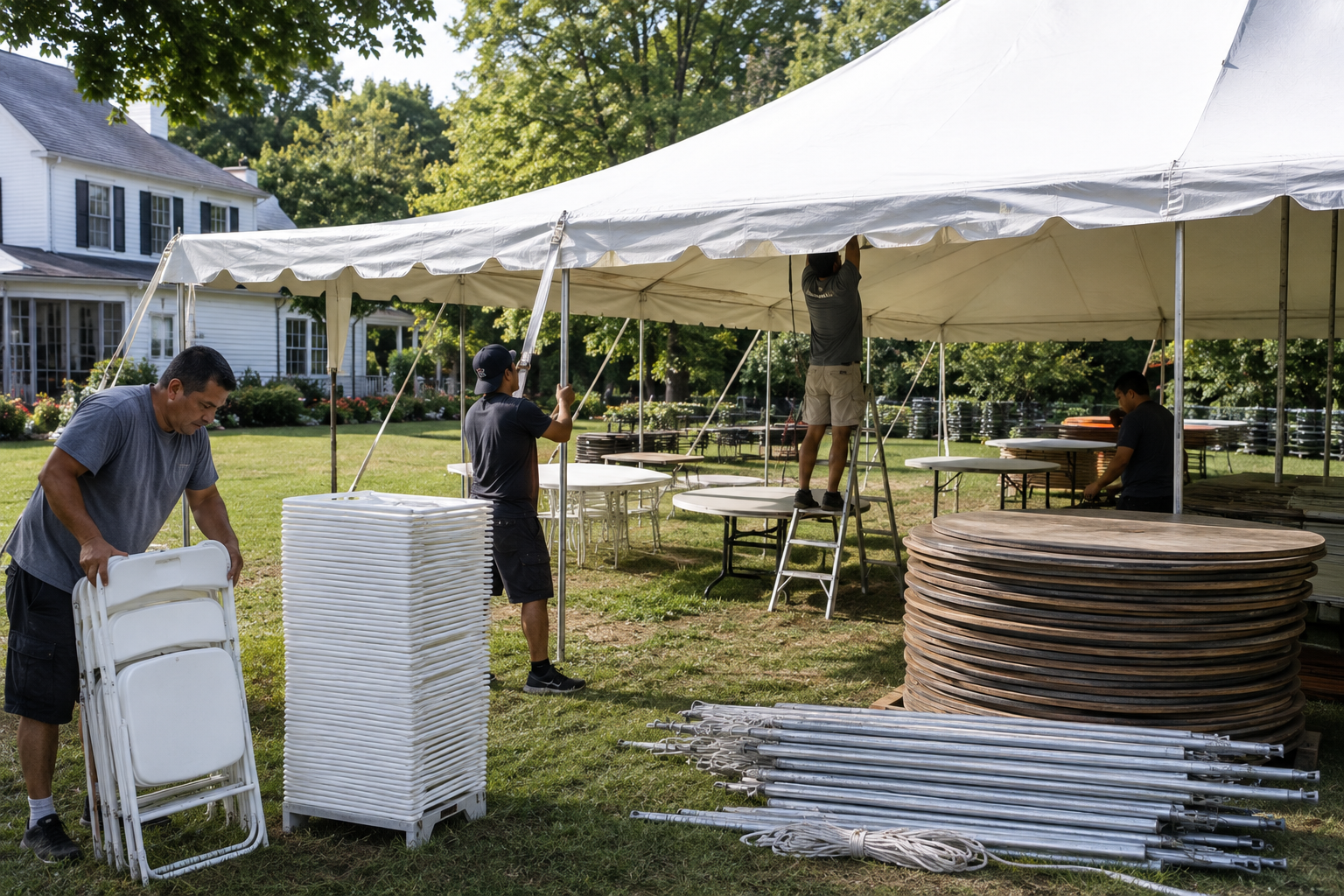
Starting a tent business can be a rewarding opportunity as the demand for outdoor event rentals continues to grow. From weddings and corporate events to birthday parties and festivals, customers need reliable tent rental services throughout the year. With the right equipment, planning, and rental software, you can build a profitable business while providing memorable event experiences.
Managing a growing rental business also requires efficient operations. Rentopian helps rental companies simplify bookings, inventory, customer management, and scheduling through one easy-to-use platform.
Key Takeaways
- A well-planned tent business has strong growth potential.
- Choosing the right equipment helps increase customer satisfaction.
- Efficient inventory management prevents booking conflicts.
- Marketing and excellent customer service encourage repeat business.
- Rental software helps simplify daily operations and business growth.
What Is a Tent Business?
A tent business provides tents and related rental equipment for outdoor events such as weddings, parties, corporate gatherings, festivals, and community celebrations. Many businesses also offer tables, chairs, lighting, flooring, and decorations to provide complete event solutions.
Some companies focus only on tent rentals, while others expand into party equipment rental services to increase revenue. Offering multiple products allows businesses to serve different customer needs and create larger rental packages.
Common customers include:
- Wedding planners
- Event organizers
- Schools and community groups
- Businesses
- Families hosting private events
Understanding your target audience helps you choose the right equipment and marketing strategy.
Why Start a Tent Rental Business?
A tent rental business offers strong earning potential because outdoor events take place throughout the year. Weddings, birthdays, corporate functions, and festivals all require reliable tent solutions, creating consistent demand. Many customers prefer renting instead of purchasing large event equipment. This creates opportunities for rental businesses to earn recurring income from the same inventory.
Some benefits of starting a tent business include:
- Growing demand for outdoor events
- Repeat customers
- Multiple revenue streams
- Flexible business expansion
- Opportunities to offer bundled services
With proper planning and customer service, a tent business can continue growing year after year.
Create a Business Plan Before You Invest
Every successful tent business begins with a detailed business plan. It helps you understand your startup costs, define your services, identify your target customers, and prepare for future growth. A business plan also allows you to estimate expenses before purchasing equipment. It provides a roadmap that helps you make better decisions as your business expands.
Your business plan should include:
- Business goals
- Target market
- Startup budget
- Equipment list
- Marketing strategy
- Pricing structure
- Growth objectives
Having a clear plan makes it easier to stay organized and measure business performance.
Equipment You Need to Start a Tent Business
Choosing quality equipment is one of the biggest investments you will make. Buying durable products helps reduce maintenance costs while providing a better customer experience. Start with essential equipment before expanding your inventory as demand grows.
Event Tents
Event tents are the foundation of your rental business. Offering different sizes allows you to serve weddings, private parties, festivals, and corporate events.
Choose commercial-grade tents that are durable, weather-resistant, and easy to install.
Tables and Chairs
Many customers prefer booking tables and chairs together with tents. Adding these products allows you to create convenient rental packages and increase your average booking value.
Lighting and Accessories
Accessories help customers create complete event spaces. Popular rental items include:
- Tent lighting
- Flooring
- Sidewalls
- Heaters
- Fans
- Dance floors
Offering complete event packages can increase revenue while improving customer convenience.
Understanding Startup Costs
Starting a tent business requires careful financial planning. The amount you invest depends on your business size, equipment quality, and service area. Besides purchasing tents, you also need to budget for transportation, storage, insurance, marketing, and business registration.
Common startup expenses include:
- Tent inventory
- Delivery vehicle
- Storage space
- Cleaning supplies
- Insurance
- Business licenses
- Marketing costs
Beginning with a smaller inventory allows you to control expenses while gradually expanding your services.
Pricing Your Tent Rental Services
Pricing is one of the most important parts of building a profitable rental company. Your prices should cover equipment costs, maintenance, transportation, labor, and operating expenses while remaining competitive. Avoid setting prices based only on competitors. Instead, calculate your actual business costs and the value your services provide.
When creating your pricing strategy, consider:
- Equipment value
- Delivery distance
- Setup and removal time
- Cleaning costs
- Seasonal demand
A clear pricing model helps improve profitability while making it easier for customers to understand your services.
Finding Your Target Customers
Knowing who your customers are helps you market your tent business more effectively. Different customer groups have different rental needs, so understanding your audience allows you to offer the right products and services. Many successful businesses focus on serving a mix of private and commercial events.
Your ideal customers may include:
- Couples planning weddings
- Event planners
- Corporate organizations
- Schools and colleges
- Families hosting celebrations
For example, offering wedding tent rental packages with tables, chairs, and lighting can increase booking value while making event planning easier for customers.
Inventory Management for a Successful Tent Business
As your tent business grows, keeping track of your equipment becomes more important. Poor inventory management can lead to double bookings, lost equipment, and unhappy customers. A well-organized inventory system helps you know what items are available, what is currently rented, and what needs maintenance. Using digital tools instead of spreadsheets makes inventory easier to manage. Rentopian helps rental businesses organize equipment, monitor availability, and reduce manual work, allowing owners to focus on serving customers.
Some inventory management best practices include:
- Label all rental equipment.
- Track equipment before and after every rental.
- Schedule regular inspections.
- Record damaged or missing items.
- Monitor equipment availability in real time.
Delivery Scheduling Keeps Your Business Organized
Timely deliveries are essential for every successful tent rental business. Customers expect their equipment to arrive on time and be set up correctly before the event begins. A clear delivery scheduling process helps reduce delays and improves customer satisfaction. Planning delivery routes and assigning jobs in advance also helps reduce transportation costs and keeps your team organized.
To improve delivery scheduling:
- Plan delivery routes ahead of time.
- Assign delivery teams clearly.
- Confirm delivery times with customers.
- Inspect equipment before loading.
- Track completed deliveries.
Good scheduling helps your business operate more efficiently, especially during busy seasons.
Use a Booking Calendar to Avoid Double Bookings
Managing multiple events without a proper booking calendar can quickly become confusing. A centralized calendar allows you to view upcoming reservations, equipment availability, and delivery schedules in one place. Using online booking software for rentals makes the process even easier by helping customers book equipment while giving your team real-time visibility into reservations and availability. Keeping all bookings organized reduces scheduling conflicts and helps your team prepare for upcoming events.
A booking calendar helps you:
- View upcoming rentals.
- Check equipment availability.
- Avoid double bookings.
- Schedule deliveries.
- Manage seasonal demand.
Using a digital booking system saves time and improves customer service.
How Rental Software Helps Your Tent Business
As your customer base grows, managing bookings manually becomes more difficult. Rental software helps automate daily tasks such as reservations, invoices, customer communication, and inventory updates. Instead of using multiple systems, rental businesses can manage operations from one platform. Rentopian provides an easy-to-use solution that helps businesses organize bookings, equipment, customers, and payments more efficiently.
Some key benefits of rental software include:
- Faster online reservations.
- Better inventory control.
- Customer management.
- Automated invoices.
- Business reporting.
Businesses that also offer inflatables alongside tents can benefit from inflatable rental management software to organize specialized inventory and bookings more effectively.
Grow Your Business with Better Customer Service
Providing excellent customer service helps your tent business stand out from competitors. Happy customers are more likely to leave positive reviews and recommend your business to others. Simple improvements can make a big difference in customer satisfaction.
Focus on:
- Clear communication.
- Clean and well-maintained equipment.
- On-time delivery.
- Professional setup.
- Quick responses to customer questions.
Building trust with customers encourages repeat business and long-term growth.
Marketing Tips for Your Tent Business
A strong marketing strategy helps you reach new customers and increase bookings. Combining online and offline marketing can improve your visibility in your local market.
Effective marketing ideas include:
- Build a professional website.
- Optimize for local SEO.
- Share event photos on social media.
- Ask customers for online reviews.
- Partner with wedding planners and event venues.
Creating helpful blog content also improves your search visibility and positions your business as a trusted resource.
Why Rentopian Is a Smart Choice for Tent Rental Businesses
Managing a growing rental company requires more than quality equipment. Business owners also need tools that simplify daily operations. Rentopian helps rental businesses manage inventory, customer information, bookings, invoices, and scheduling from one platform. By reducing manual work, businesses can improve efficiency and focus on delivering better customer experiences.
Whether you are starting a new tent business or expanding an existing rental company, the right software can support long-term growth.
Conclusion
Starting a tent business requires careful planning, quality equipment, and reliable business processes. From choosing the right inventory and setting competitive prices to improving inventory management, delivery scheduling, and customer service, every step contributes to long-term success. Using modern technology can also make a significant difference. Solutions like Rentopian help rental businesses manage bookings, equipment, customers, and daily operations from one platform, allowing owners to focus on growing their business.
Ready to simplify your rental operations? Contact Rentopian today to discover how our rental management software can help your tent business grow more efficiently.
Frequently Asked Questions
Is a tent rental business profitable?
Yes. A tent rental business can be profitable when you manage equipment well, price services correctly, and provide excellent customer service.
What equipment do I need for a tent business?
Most businesses start with tents, tables, chairs, lighting, flooring, and other party equipment rental items.
Why is inventory management important?
Good inventory management helps prevent equipment loss, avoids booking conflicts, and improves daily operations.
Do I need rental software?
Yes. Rental software helps manage bookings, inventory, payments, and customer information, making your business more efficient as it grows.